No products in the cart.
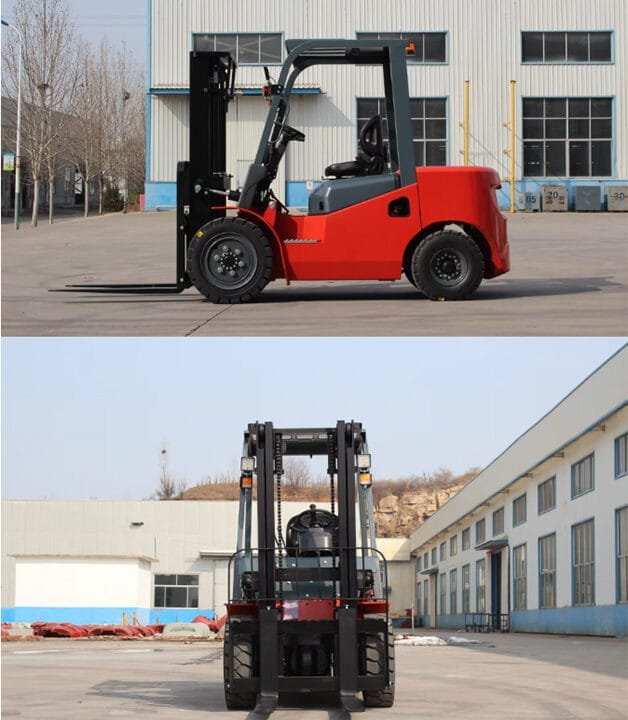
Diesel Forklift Applications: Best Uses and Industry Solutions
Diesel forklifts remain one of the most powerful and reliable material handling solutions for heavy-duty operations. While electric forklifts are popular in warehouses, diesel forklifts continue to dominate industries that require high lifting capacity, long operating hours, and outdoor performance.
In this guide, we’ll explore the most common diesel forklift applications, their advantages, and how to choose the right diesel forklift for your business.
For a complete overview of forklift types, visit our Forklift Guide.
What Is a Diesel Forklift?
A diesel forklift is an internal combustion forklift powered by a diesel engine. It is designed for demanding industrial environments where power and durability are critical.
Diesel forklifts are commonly used for:
- Heavy-duty lifting
- Outdoor material handling
- Long working shifts
- Rough terrain operations
👉 Explore our diesel forklift solutions for industrial applications.
Why Choose a Diesel Forklift?
1. Higher Load Capacity
Diesel forklifts are ideal for handling:
- Heavy pallets
- Construction materials
- Steel products
- Industrial equipment
Many diesel forklifts can handle loads from 3 tons to over 20 tons.
2. Excellent Outdoor Performance
Unlike electric forklifts, diesel forklifts perform well on:
- Uneven surfaces
- Wet environments
- Rough outdoor terrain
This makes them suitable for ports, construction sites, and lumber yards.
3. Longer Operating Time
Diesel forklifts can operate continuously with quick refueling, making them ideal for:
- Multi-shift operations
- High-intensity industrial work
- Logistics centers
Common Diesel Forklift Applications
1. Construction Industry
Diesel forklifts are widely used on construction sites for moving:
- Cement
- Steel pipes
- Heavy machinery
- Building materials
Their strong engine performance makes them ideal for demanding outdoor environments.
2. Ports and Shipping Yards
Container yards and ports require forklifts capable of:
- Heavy lifting
- Long operating hours
- Outdoor reliability
Diesel forklifts are often the preferred solution for these applications.
3. Manufacturing Plants
Factories use diesel forklifts for:
- Transporting raw materials
- Loading heavy products
- Supporting production lines
4. Lumber and Timber Industry
Timber yards often involve muddy or uneven ground conditions. Diesel forklifts provide:
- Strong traction
- Reliable outdoor performance
- High lifting power
5. Mining and Heavy Industry
Mining operations require durable forklifts capable of working in harsh environments.
Diesel forklifts are commonly used because of their:
- High torque
- Strong durability
- Continuous operating capability
Diesel Forklift vs Electric Forklift
Quick Comparison
| Feature | Diesel Forklift | Electric Forklift |
|---|---|---|
| Power | Stronger | Moderate |
| Outdoor Use | Excellent | Limited |
| Noise | Higher | Lower |
| Emissions | Yes | Zero emissions |
| Maintenance | More | Less |
| Operating Environment | Outdoor | Indoor |
👉 Read our electric forklift vs diesel forklift comparison guide for more details.
Which Industries Should Use Diesel Forklifts?
A diesel forklift is best for businesses that:
- Require high lifting capacity
- Operate outdoors
- Work long shifts
- Handle heavy industrial materials
How to Choose the Right Diesel Forklift
1. Load Capacity
Choose a forklift that matches your maximum load requirements.
2. Working Environment
Diesel forklifts are best suited for:
- Outdoor yards
- Industrial sites
- Construction areas
3. Lifting Height
Ensure the forklift can meet your stacking and loading requirements.
4. Fuel Efficiency
Modern diesel forklifts are designed to improve fuel economy while maintaining strong performance.
Are Diesel Forklifts Good for Warehouses?
Quick Answer
Diesel forklifts are suitable for large outdoor warehouses and industrial facilities, but electric forklifts are usually better for indoor warehouse environments due to lower noise and zero emissions.
👉 For indoor warehouse operations, explore our electric forklift solutions.
Diesel Forklift Maintenance Tips
Proper maintenance helps extend forklift lifespan and reduce downtime.
Key Maintenance Tips:
- Check engine oil regularly
- Inspect hydraulic systems
- Replace filters on schedule
- Monitor tire condition
👉 Follow our forklift maintenance checklist for daily inspections.
Conclusion
Diesel forklifts remain an essential solution for heavy-duty industrial operations.
They offer:
- Strong lifting power
- Reliable outdoor performance
- Long operating capability
For industries such as construction, ports, manufacturing, and logistics, diesel forklifts continue to provide excellent value and productivity.
FAQs
1. What are diesel forklifts mainly used for?
Diesel forklifts are mainly used for heavy-duty outdoor applications such as construction, ports, and industrial yards.
2. Are diesel forklifts better than electric forklifts?
It depends on the application. Diesel forklifts are better for outdoor heavy-duty work, while electric forklifts are better for indoor warehouse operations.
3. Can diesel forklifts be used indoors?
They can be used in well-ventilated industrial environments, but electric forklifts are generally preferred indoors.
4. What is the advantage of a diesel forklift?
The main advantages are high power, strong durability, and long operating time.