No products in the cart.
- by admin
- 0 Comments
- Blog
Table of Contents
Lithium Battery Forklift: Benefits and Market Growth in Southeast Asia
Featured Snippet
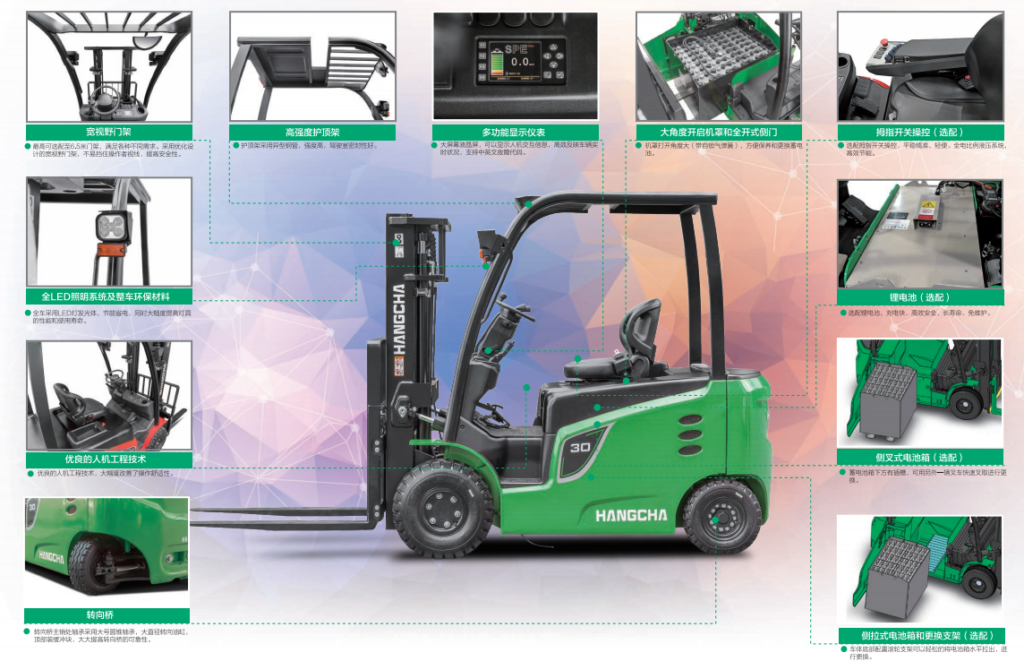
A lithium battery forklift is an electric forklift powered by lithium-ion batteries instead of traditional lead-acid batteries. It offers faster charging, longer battery life, lower maintenance costs, and higher efficiency, making it ideal for warehouses, logistics centers, and manufacturing operations.
Introduction to Lithium Battery Forklifts
In recent years, lithium battery forklifts have become increasingly popular in Southeast Asia. As the region experiences rapid growth in logistics, warehousing, and e-commerce industries, companies are looking for more efficient material handling equipment.
Compared with traditional diesel forklifts and lead-acid battery forklifts, lithium forklifts provide better performance, lower operating costs, and more environmentally friendly operations.
These advantages make lithium forklifts an ideal solution for modern warehouse management.
What Is a Lithium Battery Forklift?
A lithium battery forklift is a type of electric forklift powered by lithium-ion battery technology.
Unlike traditional lead-acid batteries, lithium batteries provide:
Faster charging speed
Longer battery life
Higher energy efficiency
Stable power output
Lithium forklifts are widely used in:
Warehouses
Distribution centers
Manufacturing factories
Cold storage facilities
With the development of modern supply chains in Southeast Asia, lithium-powered forklifts are becoming a key part of warehouse automation and logistics systems.
Key Advantages of Lithium Battery Forklifts
Fast Charging Capability
One of the biggest advantages of lithium forklifts is fast charging.
Traditional lead-acid batteries require 6–8 hours to fully charge, while lithium batteries can typically be charged within 1–2 hours.
Many lithium forklifts also support opportunity charging, meaning they can be charged during short breaks without damaging the battery.
Lower Maintenance Costs
Lithium batteries require minimal maintenance.
Lead-acid batteries often require:
Water refilling
Special charging rooms
Regular maintenance
Lithium batteries eliminate these requirements, reducing maintenance costs and operational downtime.
Longer Battery Life
Lithium forklift batteries typically last 2–3 times longer than lead-acid batteries.
This reduces battery replacement costs and improves long-term operational efficiency.
Higher Energy Efficiency
Lithium forklifts maintain stable performance throughout the working shift.
This helps companies reduce energy consumption while maintaining consistent forklift productivity.
Why Lithium Forklifts Are Popular in Southeast Asia
The demand for lithium battery forklifts in Southeast Asia is increasing rapidly due to several factors.
Rapid Growth of E-commerce
Countries such as Indonesia, Thailand, Vietnam, and Malaysia are experiencing rapid growth in e-commerce.
This growth requires modern warehouses and efficient logistics equipment.
Expanding Manufacturing Industry
Many global manufacturers are relocating factories to Southeast Asia.
Efficient material handling equipment such as electric forklifts and lithium forklifts is essential for factory operations.
Demand for Efficient Logistics
Companies are seeking ways to improve productivity and reduce operating costs.
Lithium forklifts help businesses achieve these goals through efficient and reliable performance.
How to Choose the Right Lithium Forklift
When selecting a lithium battery forklift, businesses should consider several factors.
Load Capacity
Common forklift capacities include:
Choosing the correct capacity ensures safe and efficient material handling.
Warehouse Layout
For warehouses with narrow aisles, compact forklifts with smaller turning radiuses are recommended.
Working Environment
Different working environments require different forklift specifications, such as indoor warehouses or cold storage facilities.
Conclusion
Lithium battery forklifts are becoming an important part of modern warehouse and logistics operations in Southeast Asia.
With advantages such as fast charging, low maintenance, long battery life, and environmentally friendly operation, lithium forklifts provide a highly efficient material handling solution for businesses.
As logistics and manufacturing industries continue to grow across Southeast Asia, the demand for lithium-powered forklifts is expected to increase significantly.
FAQ
Are lithium forklifts better than lead-acid forklifts?
Yes. Lithium forklifts provide faster charging, longer battery life, and lower maintenance requirements compared with lead-acid forklifts.
How long does a lithium forklift battery last?
Most lithium forklift batteries can last 5–10 years, depending on usage and charging cycles.
Are lithium forklifts suitable for warehouses?
Yes. Lithium forklifts are ideal for warehouses because they produce zero emissions and support fast charging.