No products in the cart.
Forklifts are essential equipment in warehouses, factories, and logistics centers. They help businesses move heavy loads efficiently and improve productivity in material handling operations. However, improper forklift operation can lead to workplace accidents, equipment damage, and serious injuries.
Following proper forklift safety guidelines is critical for maintaining a safe working environment. Whether you operate an electric forklift, pallet truck, or warehouse forklift, understanding forklift safety practices can significantly reduce risks.
In this guide, we will cover the most important forklift safety tips every operator should know to ensure safe and efficient warehouse operations.
Why Forklift Safety Is Important
Forklifts are powerful industrial machines capable of lifting heavy loads. Without proper training and safety procedures, accidents can easily occur in busy warehouse environments.
Common forklift accidents include:
- forklift tip-overs
- collisions with pedestrians
- falling loads
- improper pallet handling
- unsafe driving in narrow aisles
Implementing proper forklift safety practices helps improve workplace safety and prevent costly downtime.
If you want to understand different forklift types and their applications, you can read our complete guide:
Forklift Types and Applications Guide
Ensure Proper Forklift Operator Training
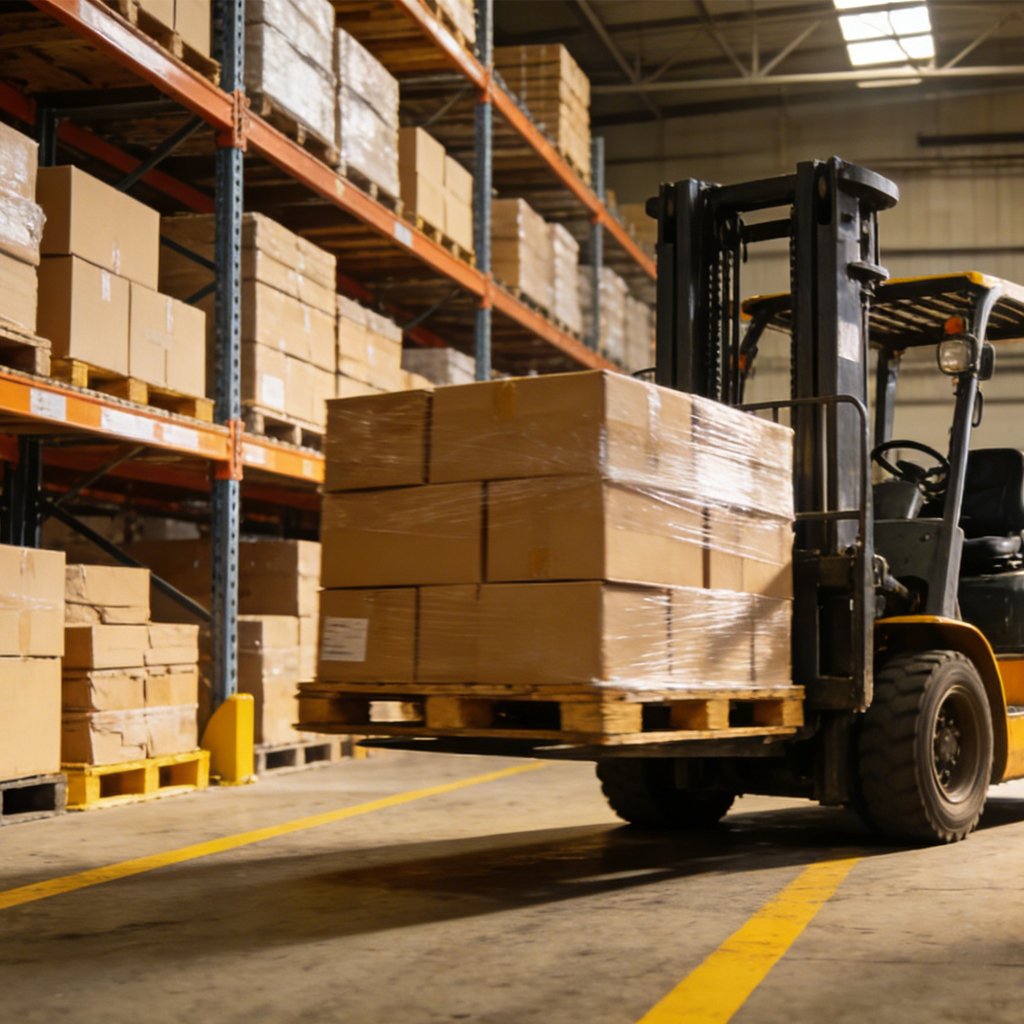
Proper forklift operator training is the most important factor in preventing accidents.
Only trained and authorized personnel should operate forklifts. Operators must understand how to safely control the forklift, handle loads correctly, and follow warehouse traffic rules.
Training programs usually include:
- forklift operation basics
- load handling techniques
- warehouse safety regulations
- emergency procedures
- equipment inspection routines
Well-trained forklift operators help reduce workplace risks and improve overall warehouse efficiency.
Perform Daily Forklift Inspections
Daily inspections are essential to ensure forklifts are operating safely.
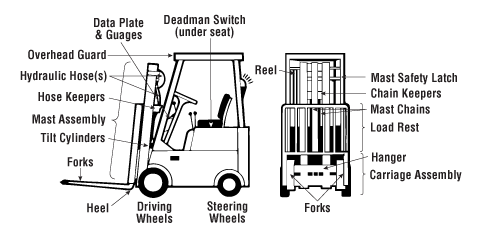
Before starting work, operators should perform a forklift inspection to check for mechanical problems or safety issues.
A typical forklift inspection checklist includes:
- checking brakes and steering
- inspecting forks for damage
- testing lights and warning alarms
- checking battery or fuel level
- examining tires and wheels
Regular inspections improve forklift reliability and help prevent accidents.
Maintain Proper Load Handling
Incorrect load handling is one of the most common causes of forklift accidents.
To ensure safe forklift operation, operators should always follow proper load handling procedures:
- keep loads stable and balanced
- never exceed the forklift’s rated capacity
- ensure pallets are securely positioned
- keep the load low while driving
- tilt the mast backward when carrying loads
Proper load management helps prevent forklift tip-over accidents and protects warehouse goods from damage.
Follow Warehouse Traffic Rules
Warehouses often have heavy traffic involving forklifts, workers, and other material handling equipment.
Following warehouse traffic rules is essential for safe forklift operation.
Important safety practices include:
- driving at safe speeds
- slowing down at intersections
- using horns when approaching blind corners
- keeping a safe distance from pedestrians
- following designated forklift lanes
Clear traffic management significantly improves warehouse safety.
Keep Forklifts Stable During Operation
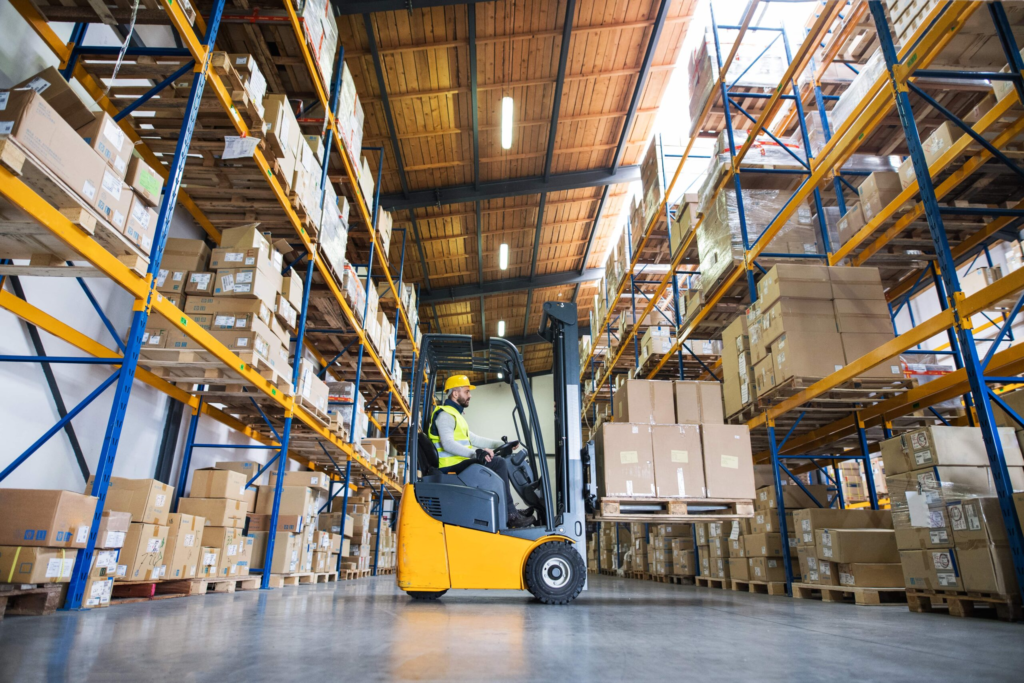
Forklift stability is crucial during material handling operations.
Operators should avoid unsafe actions such as:
- turning quickly with a raised load
- driving on uneven surfaces
- lifting loads beyond the forklift’s capacity
- sudden acceleration or braking
Keeping the load low and driving smoothly helps maintain forklift stability and prevents accidents.
If you are looking for reliable forklifts for warehouse operations, you can explore our products:
Maintain Clear Visibility
Maintaining clear visibility is essential for safe forklift operation.
Operators should always ensure they have a clear view of the travel path. If a load blocks forward visibility, the forklift should be driven in reverse.
Other visibility tips include:
- keeping mirrors clean
- ensuring proper warehouse lighting
- avoiding blind spots
- maintaining clear warehouse aisles
Good visibility helps prevent collisions and improves warehouse safety.
Choose the Right Forklift for the Job
Selecting the right forklift type is another important safety factor.
Different forklifts are designed for different warehouse applications, such as:
- electric forklifts for indoor warehouses
- reach trucks for narrow aisles
- pallet trucks for short-distance transport
Using the correct forklift improves operational efficiency and reduces safety risks.
Conclusion
Forklift safety is essential for maintaining a safe and efficient warehouse environment. Proper operator training, daily inspections, safe load handling, and clear warehouse traffic management can significantly reduce workplace accidents.
As modern warehouses become increasingly busy, following forklift safety best practices will help protect workers, equipment, and goods.
Businesses that prioritize forklift safety can improve productivity while ensuring a safer workplace.
FAQ
What are the most common forklift accidents?
The most common forklift accidents include tip-overs, falling loads, and collisions with pedestrians in warehouse environments.
How often should forklifts be inspected?
Forklifts should be inspected daily before operation to ensure all safety components are functioning correctly.
Why is forklift operator training important?
Proper forklift training ensures operators understand safe driving techniques, load handling procedures, and warehouse safety rules.