No products in the cart.
Forklifts play a crucial role in warehouse logistics, manufacturing facilities, and material handling operations. Regular forklift maintenance is essential to ensure safe operation, reduce downtime, and extend the lifespan of equipment.
Without proper maintenance, forklifts can develop mechanical issues that lead to costly repairs and workplace accidents. Implementing a regular forklift maintenance routine helps improve equipment reliability and operational efficiency.
In this guide, we will explore essential forklift maintenance tips to keep your warehouse forklifts operating safely and efficiently.
Why Forklift Maintenance Is Important
Regular forklift maintenance helps prevent unexpected equipment failures and improves overall workplace safety.
Proper forklift servicing provides several benefits:
- improves forklift performance
- reduces repair costs
- extends equipment lifespan
- improves operator safety
- prevents unexpected downtime
Businesses that follow a proper forklift maintenance schedule can significantly reduce operational costs.
If you want to understand the different forklift types used in warehouses, you can read our guide:
Forklift Types and Applications Guide
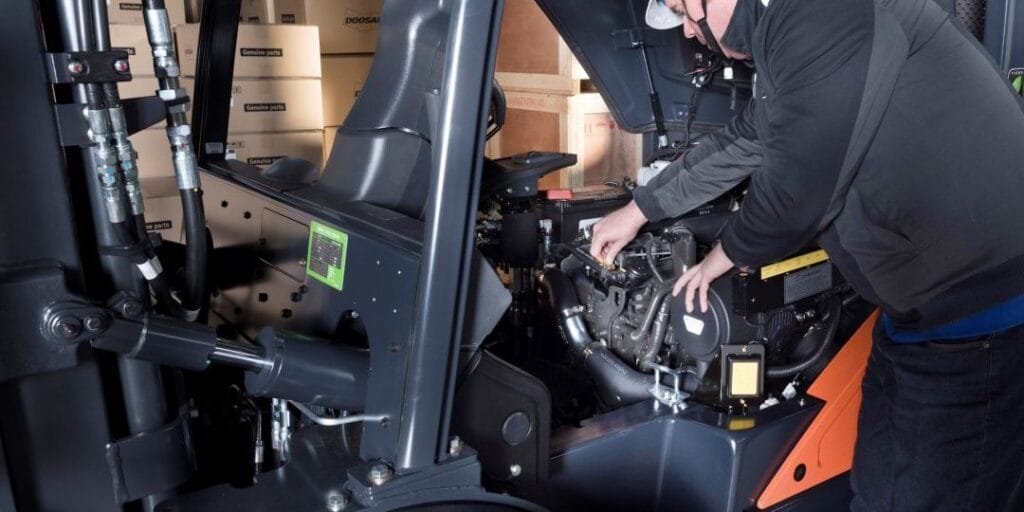
Perform Daily Forklift Inspections
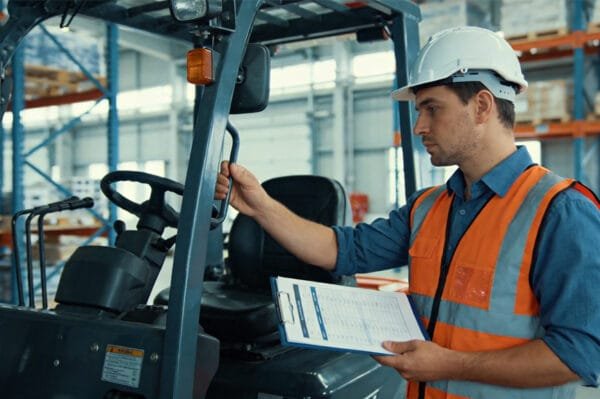
Daily forklift inspections are one of the most important maintenance practices.
Operators should check the forklift before each shift to ensure that all systems are functioning correctly.
A standard forklift inspection checklist includes:
- brakes and steering system
- forks and mast condition
- hydraulic system
- lights and warning alarms
- battery or fuel level
- tires and wheels
Identifying issues early helps prevent equipment failure and improves workplace safety.
For safety guidelines during forklift operation, you can also read:
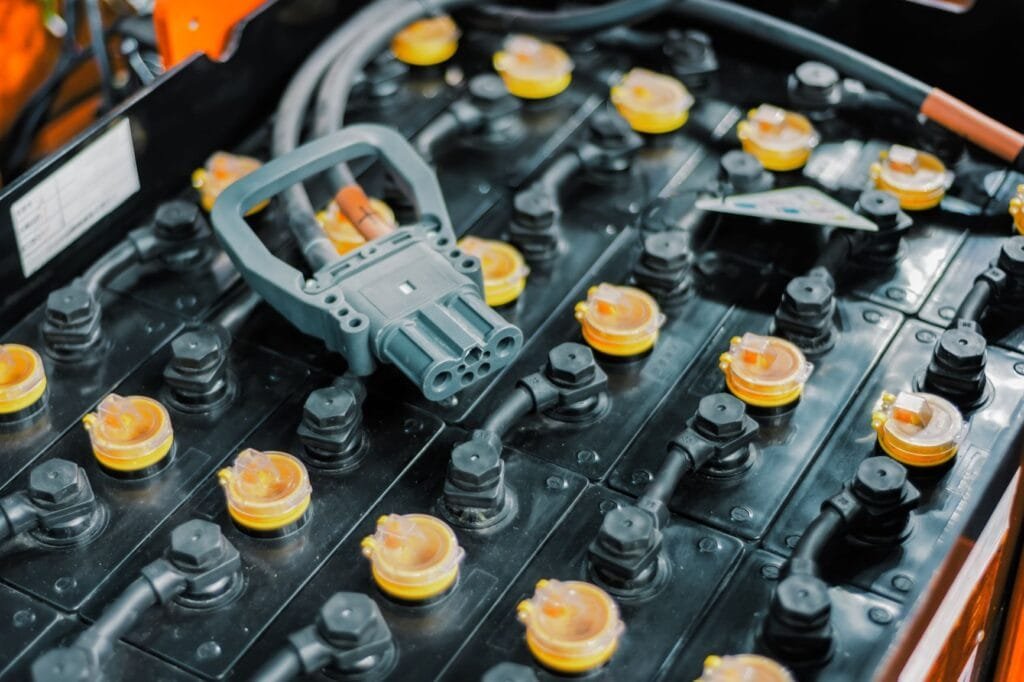
Maintain the Forklift Battery
For electric forklifts, proper battery maintenance is critical.
Poor battery management can reduce equipment performance and shorten battery lifespan.
Important battery maintenance tips include:
- charging batteries according to manufacturer guidelines
- avoiding complete battery discharge
- keeping battery terminals clean
- checking electrolyte levels (for lead-acid batteries)
Modern lithium battery forklifts require less maintenance and provide longer operating cycles compared with traditional batteries.
Check Tires and Wheels Regularly
Forklift tires are critical for maintaining stability and safe operation.
Worn or damaged tires can affect forklift handling and increase the risk of accidents.
Operators should regularly check:
- tire wear and damage
- tire pressure (for pneumatic tires)
- wheel alignment
- loose wheel bolts
Maintaining forklift tires improves safety and ensures smooth warehouse operation.
Inspect Forks and Mast Components
The forks and mast are key components responsible for lifting and handling loads.
Regular inspection helps prevent load handling accidents.
Operators should check for:
- cracks or bends in forks
- excessive fork wear
- mast chain tension
- hydraulic leaks
- smooth mast movement
Proper maintenance of these components ensures safe lifting operations.
Follow a Preventive Maintenance Schedule
Preventive maintenance helps keep forklifts operating efficiently over the long term.
Typical forklift maintenance schedules include:
Daily maintenance
Operator inspections before each shift
Monthly maintenance
Lubrication, fluid checks, and component inspection
Annual maintenance
Full mechanical inspection and system servicing
A preventive maintenance plan significantly reduces unexpected equipment breakdowns.
Choose Reliable Forklift Equipment
Another important factor in reducing maintenance costs is choosing reliable forklifts designed for long-term industrial use.
Modern forklifts offer advanced engineering, improved durability, and intelligent monitoring systems that help reduce maintenance requirements.
If you are looking for reliable material handling equipment, explore our forklift solutions:
Conclusion
Regular forklift maintenance is essential for ensuring safe and efficient warehouse operations. Daily inspections, proper battery care, tire maintenance, and preventive servicing all contribute to improved forklift performance and equipment longevity.
By implementing a structured forklift maintenance program, businesses can reduce repair costs, improve workplace safety, and maximize the productivity of their material handling equipment.
FAQ
How often should forklifts be serviced?
Forklifts should undergo daily inspections and regular preventive maintenance according to manufacturer guidelines.
What is the most important part of forklift maintenance?
Daily inspections are one of the most important maintenance practices to identify potential issues before they become major problems.
How can I extend the lifespan of a forklift?
Regular maintenance, proper battery care, safe operation, and following a preventive maintenance schedule can significantly extend forklift lifespan.