No products in the cart.
If you are planning to purchase an electric stacker, the most common question is:
👉 How much does an electric stacker cost?
The truth is, electric stacker pricing is not fixed. It varies significantly depending on configuration, brand, and application requirements.
For a complete overview of stacker types, features, and applications, check our Electric Stacker Guide.
What Determines Electric Stacker Price?
Instead of a fixed price, electric stackers are typically quoted based on the following factors:
1. Load Capacity
Higher capacity means stronger structure and higher cost.
Common options include:
- 1.0 ton
- 1.5 ton
- 1.6 ton (most widely used in warehouse operations)
- 2.0 ton
The 1.6 ton model is widely preferred due to its balance between performance and cost, making it suitable for most standard warehouse applications.
👉 Commonly available in our electric stacker lineup.
2. Lift Height
Lift height has a direct impact on price.
- Standard warehouse height → more economical
- High racking systems → higher configuration required
Choosing the correct lift height ensures both efficiency and cost control.
3. Battery Type
Battery selection is one of the biggest cost differences.
Lead-acid battery
- Lower initial investment
- Suitable for standard operations
Lithium battery
- Higher upfront cost
- Maintenance-free
- Faster charging
- Ideal for high-frequency usage
4. Configuration & Features
Advanced configurations will increase the overall cost, such as:
- EPS (electric power steering)
- AC drive motor (maintenance-free)
- Floating drive system
- Automatic deceleration on turns
- Multi-protection controller system
Recommended Configuration for Most Warehouses
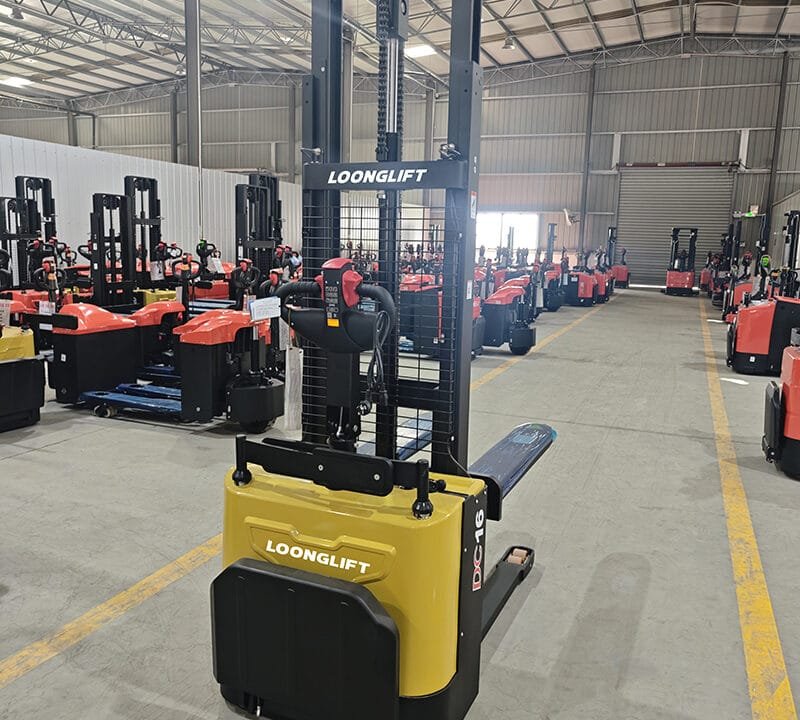
For most warehouse applications, a 1.6 ton electric stacker with AC drive and EPS steering is a reliable and cost-effective choice.
It offers:
- Stable performance
- Low maintenance
- Smooth operation in narrow aisle environments
👉 View our electric stacker solutions for more details.
5. Brand & Component Quality
Different brands and components can significantly affect pricing:
- Motor and controller brand
- Hydraulic system quality
- Overall build durability
Higher-quality configurations often mean better long-term reliability and lower maintenance costs.
Electric Stacker vs Forklift: Cost Perspective
Compared to forklifts, electric stackers are generally:
- More cost-effective
- Easier to maintain
- Better suited for indoor warehouse use
👉 Learn more: Stacker vs Forklift
How to Choose the Right Configuration (Not Just the Price)
Focusing only on price may lead to the wrong purchase.
Instead, you should consider:
- Warehouse aisle width
- Load requirements
- Lift height
- Daily working hours
For example:
In narrow aisle warehouses, choosing a compact stacker with optimized turning radius can improve efficiency significantly.
👉 Learn more: Minimum Aisle Width for Electric Stacker
Hidden Costs to Consider
Beyond the initial purchase, consider:
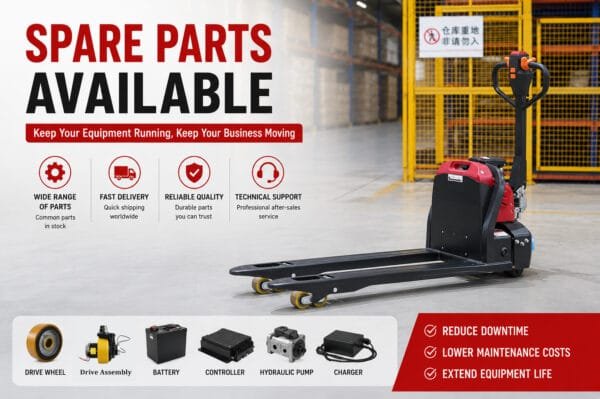
- Maintenance and spare parts
- Battery lifecycle
- Downtime risk
- After-sales support
A reliable supplier can help reduce long-term operating costs.
Get a Customized Solution
Instead of choosing based on price alone, we recommend selecting the right configuration for your working conditions.
We provide:
- Standard and customized electric stackers
- Narrow aisle warehouse solutions
- Professional selection support
📩 Contact us now to get:
- Suitable model recommendations
- Product details and specifications
- Competitive quotation