No products in the cart.
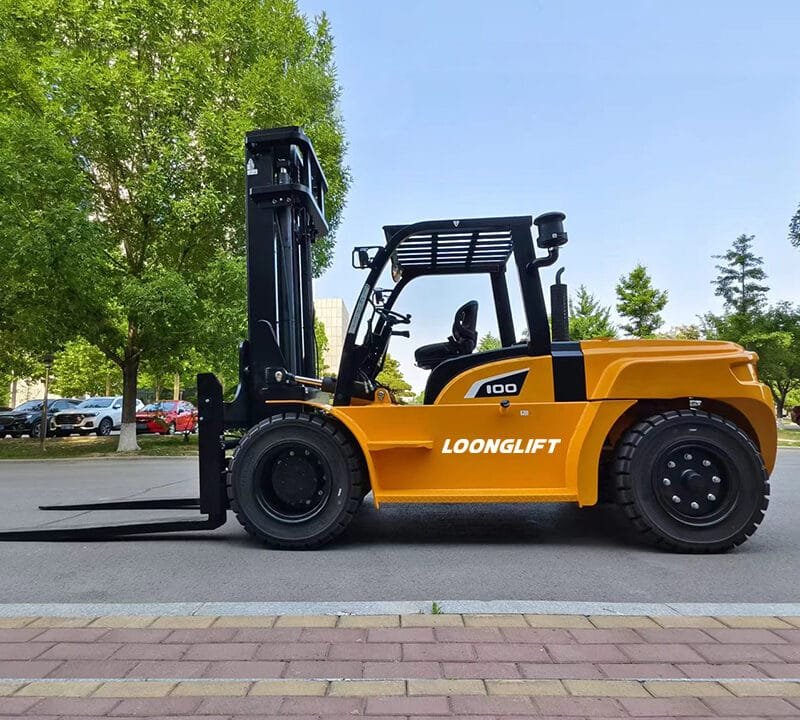
Learn how to choose the right heavy duty forklift. Compare 5 ton, 10 ton, and 12 ton forklifts for industrial, construction, and logistics use. Expert buying guide.
Heavy Duty Forklift Buying Guide
Choosing the right heavy duty forklift is critical for improving efficiency, safety, and long-term operating costs.
If you’re handling large, heavy, or oversized loads, a 5 ton to 12 ton forklift is often the best solution.
This guide will help you understand:
- Which forklift capacity you need
- Diesel vs electric options
- Key features to consider
- Common mistakes to avoid
What is a Heavy Duty Forklift?
A heavy duty forklift typically refers to forklifts with a lifting capacity above 5 tons.
These forklifts are designed for:
- Industrial applications
- Outdoor environments
- Continuous heavy-load operations
👉 Common capacity range: 5 ton, 7 ton, 10 ton, 12 ton forklifts
How to Choose the Right Forklift Capacity
1. 5 Ton Forklift
👉 Best for:
- Medium-heavy warehouse operations
- Building materials
- Manufacturing plants
2. 7–8 Ton Forklift
👉 Best for:
- Steel handling
- Industrial equipment
- Large pallet transport
3. 10 Ton Forklift
👉 Best for:
- Ports and container yards
- Heavy logistics
- Oversized cargo
4. 12 Ton Forklift
👉 Best for:
- Extreme heavy-duty operations
- Mining and construction
- Large machinery transport
Diesel vs Electric Heavy Duty Forklift
Diesel Forklift (Recommended for Heavy Duty)
Advantages:
- Strong power output
- Suitable for outdoor use
- Long continuous working time
👉 Recommended product:
5-12 Ton Diesel Forklift
Electric Forklift
Advantages:
- Low noise
- Zero emissions
- Lower maintenance
👉 Recommended product:
Electric Forklift
Key Factors to Consider When Buying
1. Load Capacity
Always choose a forklift with higher capacity than your maximum load to ensure safety.
2. Lifting Height
- Standard: 3m
- High rack: 6m+
3. Working Environment
- Outdoor → Diesel forklift
- Indoor → Electric forklift
4. Ground Conditions
- Rough terrain → Pneumatic tires
- Smooth floor → Solid tires
5. Operating Hours
- Long shifts → Diesel
- Intermittent use → Electric
Applications of Heavy Duty Forklifts
Ports & Container Yards
Handling containers and heavy cargo
Construction Sites
Moving steel, concrete, and equipment
Industrial Manufacturing
Transporting heavy machinery and components
Logistics & Warehousing
Bulk cargo handling and loading
Common Mistakes to Avoid
❌ Choosing based only on price
❌ Ignoring future load requirements
❌ Not considering working environment
❌ Underestimating lifting height
👉 These mistakes can lead to higher costs and lower efficiency
Why Heavy Duty Diesel Forklifts Are Popular
Most buyers choose diesel forklifts because they offer:
- Higher torque and power
- Better outdoor performance
- Lower downtime
- Strong durability
👉 Learn more:
Diesel vs Electric Forklift
FAQ – Heavy Duty Forklift
1. What size forklift do I need?
It depends on your load weight:
- 5 ton → medium heavy loads
- 10 ton → large industrial loads
- 12 ton → extreme heavy loads
2. What is the most popular heavy duty forklift?
The 5 ton and 10 ton diesel forklifts are the most commonly used.
3. Are heavy duty forklifts expensive?
Yes, but they offer higher productivity and long-term value.
4. Can electric forklifts handle heavy loads?
Yes, but for extreme heavy-duty tasks, diesel forklifts are still preferred.
5. What industries use heavy forklifts?
- Construction
- Ports
- Manufacturing
- Logistics
Conclusion
Choosing the right heavy duty forklift depends on your:
- Load requirements
- Working environment
- Operating frequency
👉 For most industrial applications, a diesel forklift (5-12 ton) is the best choice for performance and durability.
Get Expert Advice & Quote
Looking for the best heavy duty forklift solution for your business?
👉 Contact us now to get:
✔ Free consultation
✔ Product catalog
✔ Competitive pricing