No products in the cart.
What Is a Forklift?
A forklift is an industrial vehicle used for lifting and moving heavy loads over short distances. It is one of the most widely used pieces of material handling equipment in warehouses and factories.
Forklifts are commonly used in industries such as:
Warehouse and logistics centers
Manufacturing plants
Construction sites
Retail distribution centers
Port and cargo handling
Modern forklift trucks are designed with powerful lifting systems, strong steel frames, and efficient power systems, making them reliable tools for material handling operations.
If you want to explore different forklift models, you can view our complete product range:
Main Types of Forklifts
There are several forklift types designed for different applications and working environments. Understanding these forklift types can help businesses select the right equipment for their operations.
The most common forklift types include:
Electric forklift
Diesel forklift
Reach truck forklift
Narrow aisle forklift
Each forklift type has unique advantages and applications in warehouse logistics.
Electric Forklift
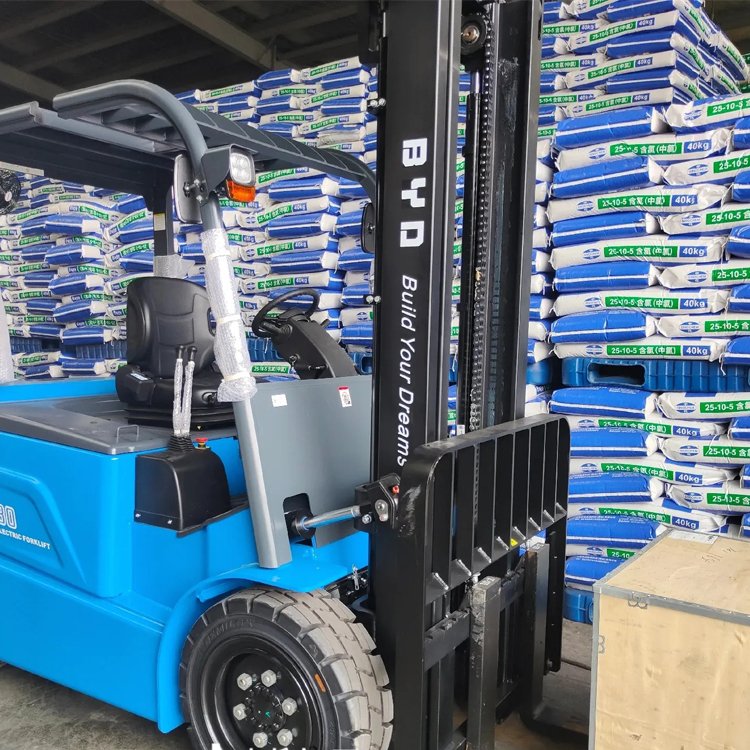
An electric forklift is powered by rechargeable batteries and is widely used in indoor warehouse environments. Compared with traditional internal combustion forklifts, electric forklifts produce zero emissions and lower noise levels, making them ideal for enclosed spaces.
Electric forklifts are commonly used in:
warehouse logistics operations
e-commerce fulfillment centers
food storage facilities
pharmaceutical warehouses
retail distribution centers
Advantages of Electric Forklifts
Electric forklifts provide several benefits for warehouse operations:
environmentally friendly zero emissions
low operating noise
lower maintenance costs
smooth driving performance
energy-efficient operation
Because of these advantages, electric forklifts are becoming the preferred choice for modern warehouse material handling systems.
Product Link
You can also learn more in our guide:
Diesel Forklift
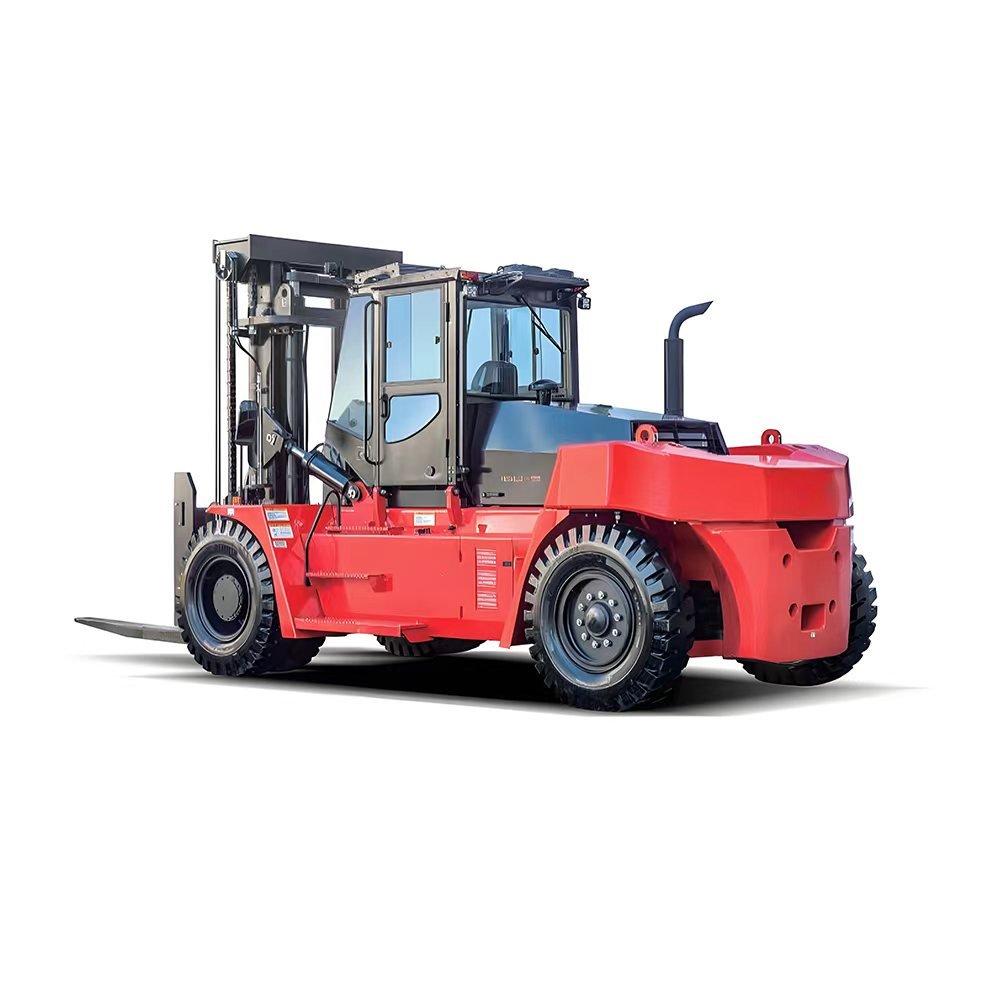
A diesel forklift is designed for heavy-duty outdoor applications. Diesel forklifts are equipped with powerful engines that provide strong lifting capacity and long operating hours.
Diesel forklifts are typically used in environments where high power and durability are required.
Common applications include:
construction sites
ports and shipping yards
heavy manufacturing facilities
outdoor logistics yards
Advantages of Diesel Forklifts
Diesel forklifts are known for their:
strong engine power
high load capacity
long operating time
ability to handle rough terrain
For heavy-duty industrial tasks, diesel forklifts remain one of the most reliable solutions.
Product Link
Reach Truck
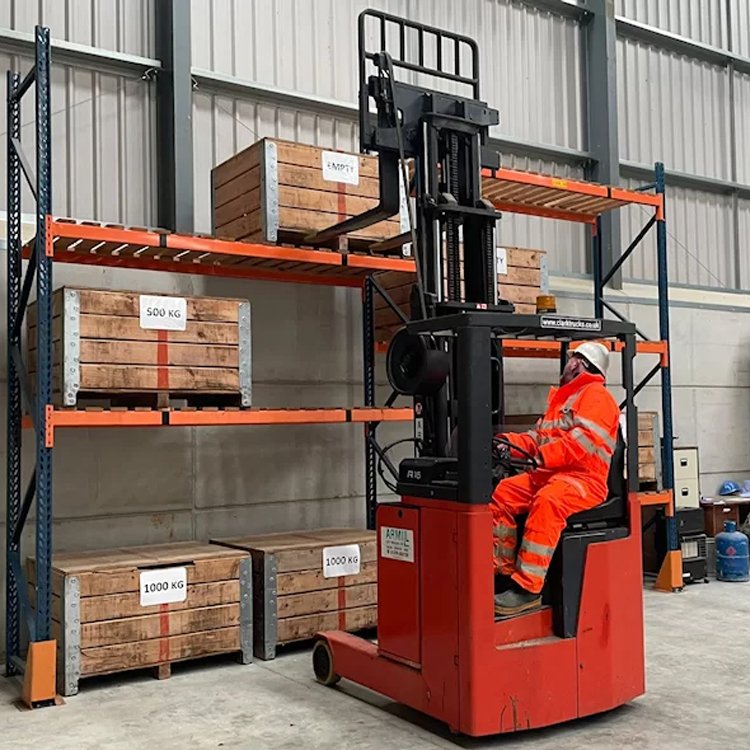
A reach truck forklift is specifically designed for high-rack warehouse storage systems. These forklifts can extend their forks forward to reach pallets stored at higher levels.
Reach trucks are commonly used in warehouses with high storage density.
Key Features of Reach Trucks
high lifting height
narrow aisle operation
excellent maneuverability
improved warehouse space utilization
Reach trucks allow warehouses to maximize vertical storage capacity, making them ideal for modern logistics centers.
Product Link
Related article:
Narrow Aisle Forklift
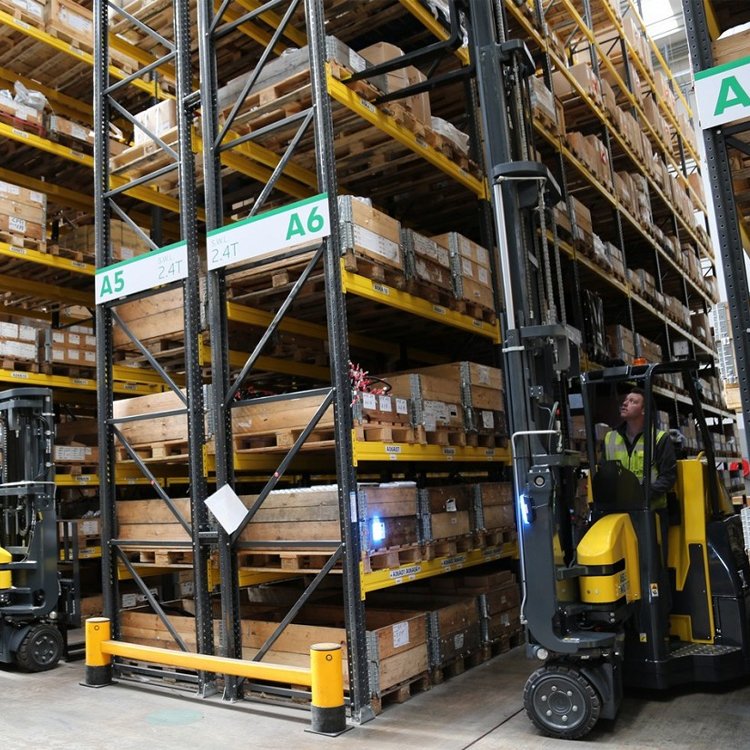
A narrow aisle forklift is designed to operate in tight warehouse spaces where aisle width is limited.
These forklifts help warehouses increase storage density by reducing aisle space, allowing more racks and inventory to be stored within the same area.
Advantages of Narrow Aisle Forklifts
optimized warehouse space utilization
efficient high-density storage
improved warehouse productivity
enhanced maneuverability in tight spaces
Narrow aisle forklifts are commonly used in e-commerce warehouses and modern logistics centers.
How to Choose the Right Forklift
Selecting the right forklift depends on several factors. Businesses should evaluate their operational needs before purchasing a forklift.
Load Capacity
Forklifts are available in different load capacities such as:
1.5 ton forklift
2 ton forklift
3 ton forklift
5 ton forklift
Choosing the correct load capacity ensures safe and efficient operations.
Working Environment
The working environment is one of the most important factors when choosing a forklift.
Indoor warehouse operations usually require electric forklifts, while outdoor environments may require diesel forklifts with stronger power.
Lifting Height
If your warehouse uses high storage racks, forklifts with higher lifting capabilities such as reach trucks are recommended.
Warehouse Layout
Warehouse aisle width also influences forklift selection. For narrow warehouse aisles, specialized forklifts such as reach trucks or narrow aisle forklifts are ideal.
Forklift Applications in Different Industries
Forklifts are widely used across multiple industries.
Warehousing and Logistics
Forklifts are essential for pallet transportation, order picking, and inventory management.
Manufacturing
Factories use forklifts to transport raw materials and finished goods between production areas.
Construction
Heavy-duty forklifts are used to transport construction materials on job sites.
Retail Distribution
Retail distribution centers rely on forklifts to manage large volumes of goods efficiently.
Forklift Safety and Maintenance
Proper forklift operation is critical for workplace safety.
Basic forklift safety practices include:
proper operator training
regular equipment inspection
avoiding overloading
maintaining clear warehouse pathways
You can read more in our detailed guide:
Conclusion
Forklifts are essential tools for modern warehouse logistics and material handling operations. Understanding different forklift types and their applications can help businesses choose the right equipment and improve operational efficiency.
From electric forklifts used in indoor warehouses to diesel forklifts designed for heavy outdoor work, selecting the appropriate forklift can significantly enhance productivity and safety.
Explore our complete range of forklift solutions:
FAQ
What are the most common forklift types?
The most common forklift types include electric forklifts, diesel forklifts, reach trucks, and narrow aisle forklifts.
Which forklift is best for warehouse operations?
Electric forklifts are typically the best choice for indoor warehouse environments because they produce zero emissions and operate quietly.
What industries use forklifts?
Forklifts are widely used in warehousing, manufacturing, logistics, construction, and retail distribution industries.