No products in the cart.
7 Forklift Safety Tips Every Operator Should Know
Forklift accidents are one of the leading causes of injuries in warehouses and industrial environments. Following proper forklift safety tips is essential to protect operators, goods, and your business.
In this guide, we’ll cover the most important forklift safety rules and best practices to ensure safe and efficient operations.
Why Forklift Safety Matters
Forklifts are powerful machines, but improper use can lead to serious accidents. Common risks include:
- Tipping over
- Collisions with people or objects
- Falling loads
- Poor visibility
Understanding forklift operation safety is critical for reducing these risks.
For a complete overview of forklift types and usage, visit our Forklift Guide.
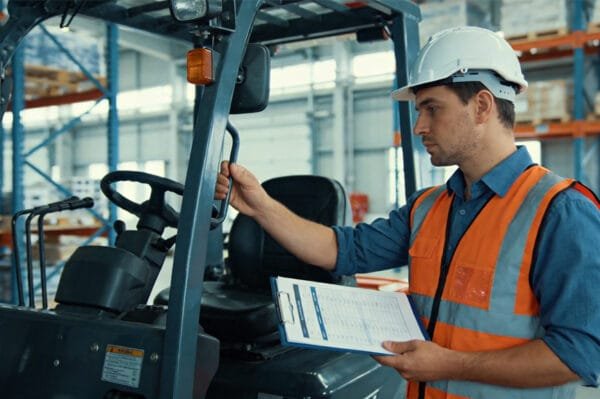
1. Always Perform a Pre-Operation Inspection
Before operating a forklift, conduct a full safety check:
- Brakes and steering
- Tires condition
- Fork condition
- Warning lights and horn
- Hydraulic system
A daily inspection helps prevent unexpected failures.
2. Wear Proper Safety Gear
Operators should always wear:
- Safety helmets
- High-visibility vests
- Steel-toe boots
Proper gear is a basic but essential part of forklift safety rules.
3. Never Exceed Load Capacity
Overloading is one of the most common causes of forklift accidents.
- Always check the load rating plate
- Keep loads stable and balanced
- Avoid lifting oversized or unstable items
4. Maintain Clear Visibility
Poor visibility can lead to collisions.
- Drive in reverse if the load blocks your view
- Use mirrors and warning signals
- Keep aisles clear
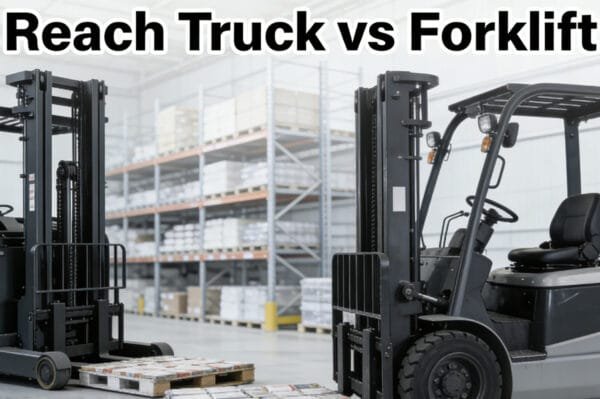
If you operate in tight warehouse spaces, consider using a reach truck for better visibility and control.
5. Drive at Safe Speeds
Speeding increases the risk of tipping and collisions.
- Slow down when turning
- Avoid sudden stops or sharp turns
- Follow warehouse speed limits
6. Keep a Safe Distance
Always maintain a safe distance from:
- Other forklifts
- Pedestrians
- Warehouse structures
This is a key principle of forklift operation safety.
7. Park the Forklift Properly
When not in use:
- Lower the forks to the ground
- Turn off the engine
- Set the parking brake
- Park in designated areas only
Forklift Safety Rules for Different Types
Different forklifts require slightly different safety considerations.
Electric Forklift Safety
- Ensure battery is properly charged
- Avoid water exposure
- Follow charging safety procedures
👉 Learn more in our electric forklift guide.
Diesel Forklift Safety
- Use only in well-ventilated areas
- Monitor fuel levels
- Check exhaust systems regularly
👉 Explore our diesel forklift solutions.
Common Forklift Safety Mistakes to Avoid
Avoid these frequent errors:
- Operating without training
- Carrying passengers
- Improper turning at high speed
- Ignoring warning signs
Conclusion
Following these forklift safety tips can significantly reduce workplace accidents and improve efficiency.
- Always inspect your forklift
- Follow safety rules strictly
- Train operators properly
A safe warehouse is a productive warehouse.
FAQs
1. What are the most important forklift safety rules?
The most important rules include proper inspection, not overloading, maintaining visibility, and driving safely.
2. Do forklift operators need training?
Yes, proper training is essential for safe forklift operation and is required in most countries.
3. What is the biggest forklift safety risk?
Tipping over and collisions are the most common and dangerous risks.
4. How often should a forklift be inspected?
Forklifts should be inspected daily before operation.